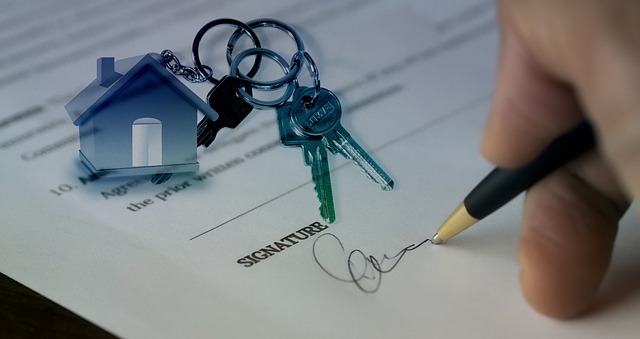
Understanding deductibles and liability limits is essential for real estate risk management. Higher deductibles reduce premiums but require initial repair costs up to that limit. Adequate liability coverage protects against financial losses from legal claims related to property defects, injuries, or unforeseen issues. Regular policy reviews ensure real estate investments are secure, with comprehensive tailored coverage mitigating diverse risks. Agents guiding clients through this process build trust and enhance their reputation.
In the dynamic landscape of real estate, understanding deductibles and liability limits is paramount for both investors and property managers. These financial parameters play a crucial role in risk management, shaping investment strategies and legal obligations. However, navigating these intricacies can be challenging, with varying policies across markets and evolving legal frameworks. This article delves into the complexities of deductibles and liability limits, offering a comprehensive review designed to empower stakeholders with knowledge. By exploring real-world scenarios and providing practical insights, we aim to demystify these concepts, fostering informed decision-making in the ever-changing realm of real estate.
Understand Deductibles: Basics for Real Estate Buyers/Sellers

Understanding deductibles is a fundamental aspect of navigating the real estate market, whether you’re a buyer or seller. Deductibles represent the amount you, as an individual or business, are required to pay out-of-pocket before insurance coverage kicks in for specific claims, such as property damage or legal liabilities. In the context of real estate, this can significantly impact your financial exposure and risk management strategy. For instance, if a policyholder files a claim for property damage due to fire or storm, the deductible amount will be subtracted from the total cost of repair before insurance benefits are applied.
In real estate transactions, buyers and sellers alike should scrutinize their insurance policies’ deductibles and liability limits. This involves comparing different coverage options to ensure adequate protection tailored to their needs. For instance, a homeowner’s policy may offer various deductible levels, such as $1,000 or $5,000. Opting for a higher deductible often translates to lower annual premiums, but it also means you’ll be responsible for the initial cost of repairs up to that limit. This decision requires careful consideration based on your financial comfort level and risk assessment.
Real estate professionals and investors should also consider liability limits when insuring their properties. These limits determine the maximum coverage available for claims against you due to property damage or personal injury on your premises. Adequate liability coverage is crucial, especially in high-risk areas prone to natural disasters or incidents with significant legal repercussions. Regularly reviewing and adjusting deductibles and liability limits ensures that your real estate investments are adequately protected, fostering a sense of security and peace of mind.
Deciphering Liability Limits: Protections in Real Estate Transactions

In real estate transactions, deciphering liability limits is a critical aspect of risk management that often goes unnoticed by laypersons. Liability limits, as part of an insurance policy, protect against financial losses arising from potential legal claims. Understanding these limits is crucial for both buyers and sellers to ensure adequate protection throughout the buying or selling process. A thorough review of liability coverage can prevent substantial out-of-pocket expenses in case of disputes over property defects, personal injuries, or other unforeseen issues.
For instance, consider a scenario where a buyer purchases a home without fully comprehending the liability limits. During their tenancy, a tenant slips and falls due to a poorly maintained floor, resulting in significant medical bills. If the policy’s liability limit is insufficient to cover these expenses, the buyer could be held personally liable, potentially impacting their financial stability. Conversely, an informed approach allows buyers and sellers to collaborate with insurance professionals to secure policies aligned with their unique real estate transactions. This proactive measure not only shields against financial exposure but also fosters trust and transparency between all parties involved.
According to industry data, proper liability coverage can mitigate risks by up to 80% in complex real estate cases. This highlights the importance of delving into liability limits. To ensure comprehensive protection, experts recommend reviewing policy documents meticulously, seeking clarification from insurance providers, and considering specialized coverage for high-value properties or transactions with complex legal implications. By taking these proactive steps, individuals can navigate real estate dealings with greater confidence, knowing they are shielded against potential liabilities.
Reviewing Coverage: Ensuring Adequate Protection in Real Estate

In the intricate landscape of real estate, ensuring adequate protection through comprehensive insurance coverage is paramount. Reviewing deductibles and liability limits is a critical step for both property owners and agents. Deductibles represent the out-of-pocket expense an insured party agrees to pay before insurance kicks in, while liability limits cap the amount of financial protection provided for claims against the policyholder. A thorough review of these components is essential given the diverse risks inherent in the real estate sector.
For instance, consider a property owner who invests in a rental property. High deductibles could significantly impact their financial stability in case of unforeseen events such as natural disasters or structural failures. On the other hand, low liability limits may not adequately protect against substantial damages resulting from personal injuries on the premises. Data suggests that real estate investments face an array of risks, from legal disputes over lease agreements to unexpected property damage, making it crucial to tailor insurance policies accordingly.
Experts recommend periodic assessments of both deductibles and liability limits, aligning them with the specific assets and potential hazards in real estate. This proactive approach ensures that coverage remains robust and responsive to evolving circumstances. For agents, staying informed about these intricacies enables them to guide clients toward suitable protection strategies, fostering trust and enhancing professional reputation. Ultimately, a meticulous review of coverage options empowers stakeholders to navigate the complex environment of real estate with enhanced confidence and peace of mind.