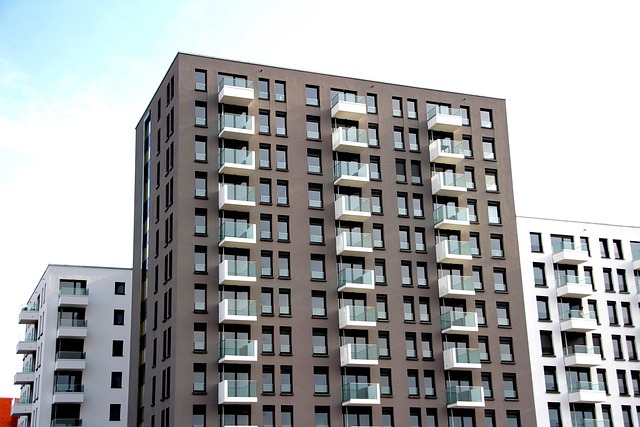
Real Estate investors must proactively manage unforeseen property damage risks for responsible stewardship and profitability. Key strategies include regular structural inspections, advanced security systems, proper insulation, maintenance education for tenants, fire safety training, immediate post-incident response, and pre-established relationships with reputable service providers to mitigate losses and enhance recovery. Insurance tailored to real estate investments should cover physical damage, business interruption, and liability, reviewed periodically for relevance. Engaging experts provides valuable insights into local regulations and best practices.
In the dynamic realm of real estate, unforeseen property damage can pose significant challenges for both property owners and investors. Protecting assets against unexpected events like natural disasters, accidents, or vandalism is paramount to maintaining financial stability and ensuring the long-term value of properties. This article delves into comprehensive safeguards that offer robust protection against such damages, providing valuable insights for real estate professionals seeking to mitigate risk and safeguard their investments. By exploring innovative strategies and best practices, we aim to equip readers with effective tools to navigate this critical aspect of property management.
Understanding Unforeseen Property Damage Risks (in Real Estate)

In real estate, managing unforeseen property damage risks is a critical aspect of responsible investing and stewardship. Unforeseen damage—from natural disasters to accidental incidents—can significantly impact property values and profitability. Understanding these risks is not merely an academic exercise; it’s a vital strategy for minimizing financial losses and maximizing asset protection. According to a study by the National Association of Realtors, severe weather events have led to nearly $1 trillion in documented property damage in the United States over the past decade, underscoring the pressing need for proactive risk mitigation.
One of the primary challenges in real estate is predicting and preparing for these unexpected events. Climate change, for instance, has brought about more frequent and severe weather patterns, from hurricanes to wildfires, which can devastate properties. Property managers and investors must stay abreast of local climate trends and adapt their strategies accordingly. For example, retrofitting buildings with better storm protection or implementing fire-resistant landscaping in high-risk areas can significantly reduce potential damage. Additionally, regular maintenance checks can identify vulnerabilities, such as weak structures or outdated electrical systems, allowing for preemptive repairs that safeguard against catastrophic failures.
Insurance plays a pivotal role in mitigating unforeseen property damage risks. Policies tailored to real estate investments should cover not only physical damage but also business interruption and liability. It’s crucial to review insurance policies periodically to ensure they remain adequate and relevant to the specific property and market conditions. For instance, flood insurance has become increasingly important for properties located in areas once considered at low risk due to rising sea levels. Furthermore, engaging with experts like risk assessors or real estate lawyers can provide valuable insights into local regulations and best practices, helping to navigate complex legal landscapes related to property damage prevention and response.
Proactive Measures to Prevent Damages in Properties

In the realm of real estate, unforeseen property damage can pose significant challenges for owners and managers alike. However, a robust strategy of proactive measures can significantly mitigate these risks, ensuring the longevity and value of properties. A comprehensive approach involves a blend of thorough inspection, maintenance routines, and the implementation of protective systems. For instance, regular structural assessments by certified professionals can uncover potential issues early on, allowing for timely repairs that prevent minor problems from escalating into costly damages.
One critical proactive safeguard is the installation of advanced security systems. These not only deter burglaries but also serve as early warning mechanisms for potential fire or water leaks—common causes of extensive property damage. Smart home technology offers an array of options, from motion sensors and smoke detectors interconnected via a central control panel to automated shut-off valves for water supply in case of leaks. Moreover, proper insulation and waterproofing can protect against weather-related deterioration, a prevalent concern in diverse climates. Regular, meticulous maintenance of these features is key to their effectiveness.
Additionally, implementing robust safety protocols for tenants or occupants is essential. Education on preventing damage through simple practices such as careful use of appliances, avoiding overloading electrical sockets, and reporting any unusual occurrences promptly can significantly reduce risks. In commercial real estate, regular training sessions on fire safety, evacuation procedures, and the handling of hazardous materials are not just legal requirements but also wise investments in safeguarding properties and ensuring business continuity.
Post-Incident Response: Mitigating and Repairing Real Estate Losses
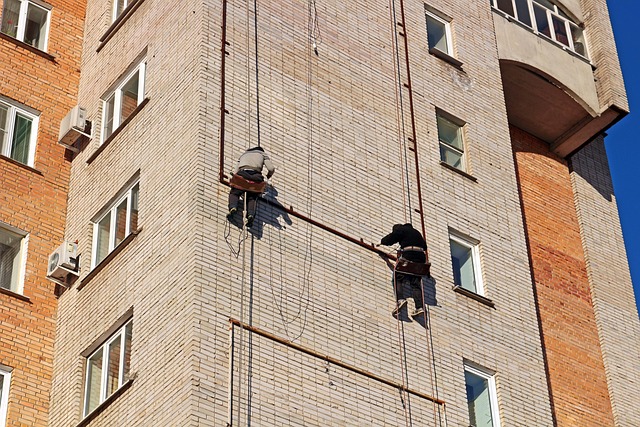
Unforeseen property damage, whether from natural disasters or human causes, can significantly impact real estate investments. Post-incident response is a critical phase where proactive measures can mitigate losses and accelerate recovery. Expert insights emphasize that immediate action is key; every hour counts in minimizing damage and preserving asset value.
A structured approach involves assessing the scope of damage, securing the property to prevent further deterioration, and documenting evidence thoroughly. Engaging experienced professionals, such as structural engineers or specialized restoration teams, ensures a systematic repair process. In complex cases, understanding local building codes and historical preservation regulations is essential, as seen in areas with vintage architecture, where meticulous restoration techniques are required.
Data from industry reports highlights the financial implications of delayed response. According to recent studies, prompt mitigation efforts can reduce average repair costs by up to 25%. Furthermore, efficient post-incident management enhances tenant or buyer confidence, especially in commercial real estate markets. To ensure a seamless transition, property managers and investors should pre-establish relationships with reputable service providers, enabling swift access during emergencies. Regular training sessions for on-site personnel on damage assessment protocols can also streamline the initial response, leading to more effective long-term recovery strategies.