Unforeseen property damage in real estate poses significant risks, driven by natural disasters, structural failures, and criminal activity. Mitigation strategies include regular inspections, smart technology monitoring, adequate insurance, and proactive maintenance. Post-damage assessments involve expert appraisals, specialized equipment, and detailed repair reports. Core value proposition: Integrating these measures lowers risk profiles, fosters investor confidence, and ensures long-term sustainability in real estate investments.
In the dynamic landscape of real estate, unforeseen property damage poses a significant challenge for investors and homeowners alike. The financial and emotional toll of unexpected disasters can be devastating, emphasizing the critical need for robust safeguards. This article delves into the intricate web of measures designed to mitigate these risks, exploring innovative strategies and best practices tailored to the real estate sector. By examining current trends, historical lessons, and cutting-edge solutions, we offer valuable insights to empower stakeholders in navigating this complex arena, ultimately fostering resilience and financial security.
Understanding Common Causes of Unforeseen Property Damage

Unforeseen property damage can significantly impact real estate investments, making it crucial for owners and managers to understand common causes. One of the leading factors is natural disasters such as earthquakes, hurricanes, and floods. According to the National Oceanic and Atmospheric Administration (NOAA), severe weather events have increased in frequency and intensity over the past few decades, directly affecting residential and commercial properties. For instance, data from the Federal Emergency Management Agency (FEMA) shows that flood damage alone accounts for a substantial portion of total disaster losses in the United States.
Another significant cause is structural failure due to poor maintenance or design flaws. Old buildings, especially those in urban areas, are particularly vulnerable. Regular inspections and timely repairs can mitigate these risks, but many owners overlook the importance of proactive maintenance. For example, a roof that has not been replaced for several years may suffer substantial damage during heavy rainfall, leading to leaks and structural degradation. In real estate, where properties can have long lifespans, such negligence can result in extensive and costly repairs.
Vandalism and criminal activity are also common causes of unforeseen property damage, particularly in areas with high crime rates. This type of damage can be challenging to prevent but is manageable through security measures like surveillance systems, robust locks, and regular security patrols. For instance, businesses often invest in security enhancements after experiencing vandalism, which not only protects their properties but also reinforces the safety of nearby residences. By addressing these common causes proactively, real estate investors and managers can significantly reduce the likelihood and impact of unforeseen property damage.
Proactive Measures for Real Estate Protection
In the dynamic landscape of real estate, unforeseen property damage can pose significant risks and financial burdens to owners and investors alike. However, proactive measures can significantly mitigate these risks, safeguarding both the physical assets and long-term value of properties. One key strategy involves regular, thorough inspections. Scheduled assessments by certified professionals allow for early detection of issues like structural weaknesses, plumbing leaks, or electrical malfunctions, enabling timely repairs that prevent small problems from escalating into costly disasters. For instance, a study by the National Association of Realtors (NAR) revealed that proactive maintenance can reduce repair costs by up to 20% annually.
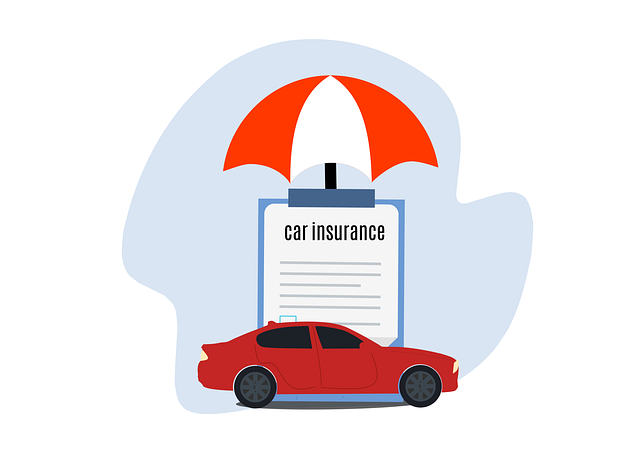
Beyond inspections, implementing smart technology solutions offers another layer of protection. Automated systems for monitoring water leaks, temperature fluctuations, and security breaches can provide instant alerts, enabling swift action before damage occurs. Smart locks, surveillance cameras, and motion sensors not only enhance security but also act as deterrents against potential intruders who might cause property damage. Additionally, investing in robust insurance coverage tailored to the specific risks associated with real estate is indispensable. Comprehensive policies that include clauses for unforeseen events like natural disasters, vandalism, or equipment failure ensure financial protection during challenging times.
For property managers and developers, a holistic approach integrating regular maintenance, smart technology, and adequate insurance can significantly lower the risk profile of their real estate portfolios. This proactive stance not only safeguards properties but also fosters investor confidence and ensures long-term sustainability. By staying one step ahead of potential damage, professionals in the real estate sector can contribute to a more resilient and profitable industry.
Post-Damage Assessment: Repairing and Preventing Future Losses

Unforeseen property damage can significantly impact real estate investments, making post-damage assessment a critical step towards minimizing future losses. This process involves meticulously evaluating the extent of harm, identifying root causes, and developing comprehensive repair strategies. Expert appraisers play a pivotal role in documenting the current state of the property, ensuring that every damaged area is accurately recorded for insurance claims or future references.
A thorough post-damage assessment begins with a detailed inspection, considering both visible and hidden elements. For instance, water damage might not be immediately apparent, but specialized equipment can detect moisture levels, helping to prevent secondary issues like mold growth. Similarly, structural integrity should be assessed, particularly in older properties, where weaknesses may have developed over time. In commercial real estate, this process often involves specialized teams equipped with advanced technology to pinpoint challenges and devise effective solutions.
Upon completion of the assessment, a detailed report is generated, outlining the repair requirements. This document serves as a roadmap for restoration work, ensuring that every aspect of damage is addressed. Repairs range from immediate temporary fixes to long-term structural renovations. For instance, in cases of fire damage, addressing smoke odour and restoring electrical systems may be prioritized initially, while comprehensive rebuilding could follow for significant structural losses. Regular maintenance checks post-repair are crucial to prevent recurring issues, particularly in regions prone to natural disasters like hurricanes or earthquakes.
Proactive measures can significantly reduce the impact of unforeseen property damage. Implementing robust maintenance programmes, staying updated on local building codes, and ensuring proper insurance coverage are essential safeguards. Real estate investors should also consider incorporating resilient design elements into their properties, such as impact-resistant windows or fireproof materials, to mitigate potential losses. By integrating these strategies, real estate owners and managers can effectively navigate post-damage scenarios, ensuring swift recovery and minimizing future financial setbacks.