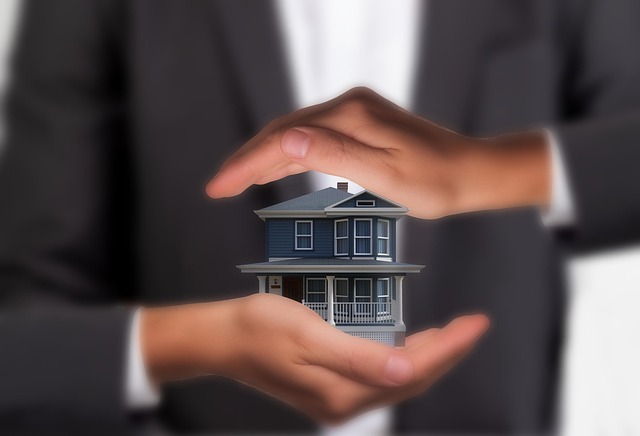
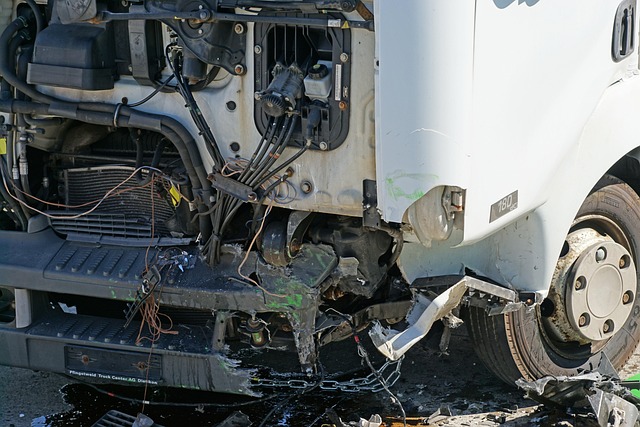
In real estate, protecting properties from unforeseen damage is paramount. Key strategies include annual/bi-annual risk assessments focusing on structural integrity, with special attention to disaster-prone areas. Integrate smart home technology for motion sensors, security cameras, and early damage detection. Proactive monitoring with remote sensors alerts owners to potential hazards. Regular maintenance, including roof repairs, prevents water damage. Meticulous documentation through high-quality media is crucial for insurance claims and legal protection. Reconstruction offers opportunities to incorporate green solutions and differentiate properties. Post-incident, real estate evolves to meet contemporary standards, ensuring swift recovery while enhancing structural integrity, aesthetics, and functionality.
In the dynamic realm of real estate, unforeseen property damage poses a significant challenge for investors and homeowners alike. The sudden onset of disasters, from natural calamities to accidental misfortunes, can wreak havoc on properties, leading to substantial financial losses and emotional strain. Addressing this pressing issue demands robust safeguards that mitigate risk and ensure swift recovery. This article delves into the intricate strategies and innovative solutions designed to protect real estate investments, providing a comprehensive roadmap for navigating the uncertainties of property damage with resilience and confidence.
Assessing Risks: A Foundation for Protection in Real Estate

In real estate, safeguarding against unforeseen property damage is paramount for investors and homeowners alike. A robust risk assessment forms the foundation for effective protection strategies. By meticulously evaluating potential hazards, individuals can mitigate financial losses and preserve the value of their assets. This proactive approach involves a deep understanding of environmental factors, structural vulnerabilities, and emerging threats specific to the real estate landscape.
One of the key aspects of risk assessment is conducting thorough inspections. In areas prone to natural disasters such as floods or earthquakes, regular assessments by certified professionals are essential. For instance, data from the National Oceanic and Atmospheric Administration (NOAA) highlights that nearly 10% of U.S. properties are at high or very high risk of flooding. Similarly, seismic activity can cause significant damage; understanding these risks allows for informed decisions regarding retrofitting and insurance coverage. Moreover, assessing structural integrity through specialized inspections can uncover issues like foundation cracks, roof weaknesses, or pest infestations—all of which could lead to costly repairs if left unaddressed.
Practical insights from industry experts suggest that integrating smart home technology offers additional layers of protection. Motion sensors, security cameras, and advanced alarm systems can deter criminal activity and detect early signs of damage. For example, a study by the National Association of Home Builders (NAHB) revealed that homes equipped with smart security features experienced 30% fewer break-ins compared to unguarded properties. Furthermore, proactive monitoring through remote sensors can alert owners or property managers to plumbing leaks, electrical malfunctions, or fire hazards—enabling swift action to prevent extensive damage. In the ever-evolving real estate market, where unforeseen circumstances are inevitable, a comprehensive risk assessment and the implementation of modern safety measures serve as powerful safeguards against potential property damage.
Proactive Measures: Preventing Unforeseen Damages to Properties

In the realm of real estate, unforeseen property damage can significantly impact investors and homeowners alike. Proactive measures are essential to mitigate these risks, ensuring both financial security and peace of mind. By implementing comprehensive strategies, individuals can protect their assets from unexpected events that may cause substantial harm. This proactive approach involves a combination of thorough inspections, regular maintenance, and the adoption of cutting-edge technology for monitoring.
Regular property assessments are paramount in identifying potential vulnerabilities. Experts recommend annual or bi-annual inspections to scrutinize structural integrity, electrical systems, plumbing, and roofing. For instance, data from leading insurance providers reveals that timely roof repairs can reduce the risk of water damage by up to 40%, a common cause of unforeseen property losses. Additionally, utilizing smart home technology allows for continuous monitoring of temperature, humidity, and motion, enabling early detection of issues like mold growth or burst pipes.
Another vital strategy is to establish a robust maintenance routine. This includes regular cleaning, especially in areas prone to buildup, such as gutters and HVAC systems. For example, clogged gutters can lead to water damage and structural instability if left unattended. Moreover, scheduling professional inspections for essential systems like furnaces and air conditioners ensures optimal performance and longevity, preventing sudden failures that could result in costly repairs or replacements. Proactive measures, when embraced holistically, empower individuals to safeguard their real estate investments from unforeseen damages, fostering a sense of security and stability.
Post-Incident Strategies: Mitigating Losses and Rebuilding from Scratch

When unforeseen property damage occurs, the initial shock gives way to a critical phase of mitigation and rebuilding. This period demands strategic actions to minimize losses and facilitate a swift recovery, especially in the dynamic landscape of real estate. Post-incident strategies are not just about repairing physical structures; they encompass a comprehensive approach to data preservation, insurance claims navigation, and meticulous planning for reconstruction—all essential elements in ensuring a successful transition from damage to restored property.
One of the first steps involves documenting the damage thoroughly. Property owners or managers should assemble a team consisting of professionals like contractors, restorers, and lawyers to conduct a meticulous inspection. High-quality photography and video documentation serve as irrefutable evidence, capturing every detail for insurance claims and potential legal proceedings. In cases where natural disasters are responsible for damage, data preservation becomes paramount. For example, in areas prone to floods, ensuring that important documents and digital archives are stored in waterproof containers or cloud-based systems can significantly mitigate losses.
Navigating insurance claims is a delicate process. Property owners should familiarize themselves with their policy terms and conditions, comparing them against the scope of damage encountered. Engaging directly with insurers early on demonstrates proactive management. Maintaining detailed records of expenses related to temporary housing, storage, and emergency services as well as documenting the cost of repairs or rebuilding efforts will facilitate accurate insurance claims. A recent study by the National Association of Insurance Commissioners (NAIC) revealed that a timely and honest communication between policyholders and insurers significantly enhances claim settlement rates, providing a crucial foundation for financial recovery.
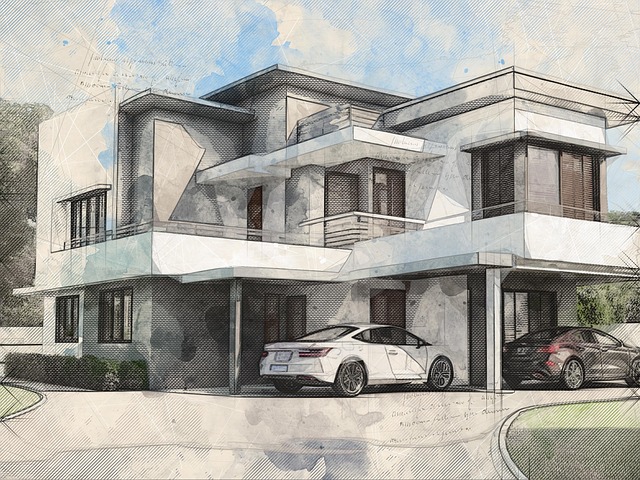
Reconstruction offers an opportunity to not just rebuild but to reinvent. Architects and designers can collaborate with owners to incorporate innovative solutions, enhancing structural integrity while improving aesthetics and functionality. Green building materials and energy-efficient designs have become increasingly popular, reflecting both environmental responsibility and long-term cost savings. In urban real estate, where space is premium, vertical gardening or green roofs can add value and appeal to tenants or buyers, transforming a challenge into an opportunity for differentiation. Ultimately, the post-incident phase is not merely about restoring what was lost but about evolving properties to meet contemporary needs and expectations.