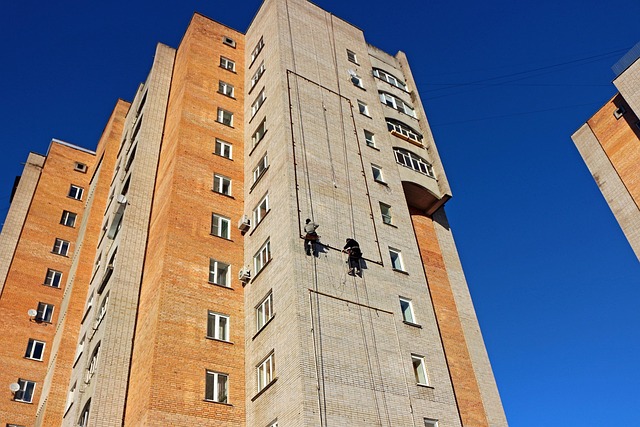
In real estate, unforeseen property damage from natural disasters and events poses significant risks. Mitigation strategies include robust risk assessments, regular maintenance, building code adherence, and advanced security systems. Proactive disaster prevention involves thorough inspections, smart technology, and well-designed protocols for commercial properties. Effective recovery actions include immediate site securing, professional restoration, insurance updates, proactive management, and long-term resilience measures like extreme weather-resistant designs and sustainable construction. These steps minimize depreciation, protect investments, and ensure property longevity in the face of unexpected challenges.
In the dynamic landscape of real estate, unforeseen property damage poses a significant challenge for investors, landlords, and homeowners alike. The financial and emotional toll of such incidents can be devastating, especially when adequate safeguards are lacking. This article delves into the critical importance of proactive measures to mitigate risks and protect investments in this ever-changing market. We explore innovative strategies and best practices that real estate professionals and individuals can employ to safeguard their properties from unforeseen damage, ensuring peace of mind and financial security.
Understanding Common Causes of Unforeseen Property Damage in Real Estate

Unforeseen property damage is a significant concern in real estate, impacting both homeowners and investors alike. Understanding the common causes of such damage is crucial for mitigating risks and ensuring investments are well-protected. According to recent studies, natural disasters account for a substantial portion of property losses, with floods, hurricanes, and earthquakes being the top contributors. For instance, in regions prone to seismic activity, improper construction or aging infrastructure can exacerbate damage, as seen in many urban centers worldwide.
Moreover, environmental factors play a critical role, with extreme weather conditions becoming increasingly prevalent due to climate change. Heavy rainfall can lead to widespread flooding, while intense heatwaves may cause structural issues by expanding and contracting materials like metal and concrete. In real estate terms, this translates into reduced property values and increased maintenance costs for affected areas. For example, coastal properties face elevated risks from rising sea levels and storm surges, which can result in significant erosion and damage to coastal infrastructure.
Another significant cause is accidental damage, often stemming from negligence or lack of awareness. In busy urban settings, accidents involving vehicles and pedestrians are common, with potential impacts on nearby buildings. Additionally, poorly maintained structures or those lacking adequate safety features are more susceptible to unforeseen events. To address these issues, property owners and managers in real estate must invest in robust risk assessment tools, implement regular maintenance schedules, and adhere to local building codes and safety regulations. Proactive measures, such as installing advanced flood protection systems or implementing stricter security protocols, can significantly minimize the likelihood of unforeseen property damage.
Proactive Measures: Preventing Disasters Before They Strike

In the realm of real estate, safeguarding properties from unforeseen damage is a paramount concern for investors, owners, and managers alike. Proactive measures play a crucial role in mitigating risks before disasters strike, ensuring the longevity and value of assets. By adopting a comprehensive approach to disaster prevention, stakeholders can significantly reduce financial losses and minimize operational disruptions. This involves a multi-faceted strategy that ranges from thorough property assessments to implementing state-of-the-art security systems.
Regular inspections are a cornerstone of proactive property damage prevention. Expert evaluators should conduct detailed surveys, examining structural integrity, electrical systems, plumbing, and potential environmental hazards. For instance, identifying areas prone to water leakage or mold growth can prevent extensive renovations later. Similarly, assessing earthquake or flood risks in specific locations is essential for tailoring appropriate safety measures. Data from recent disasters indicates that proactive inspection and maintenance programs can reduce post-event repairs by up to 30%.
Beyond inspections, integrating advanced security technologies offers another layer of protection. Smart home systems equipped with motion sensors, surveillance cameras, and automated alarms can deter potential thieves and fire hazards. Additionally, implementing robust access control mechanisms ensures that only authorized personnel enter the premises. For commercial properties, a well-designed security protocol, including emergency exit drills and regular staff training, significantly enhances disaster preparedness. By investing in these proactive measures, real estate professionals can foster safer environments, enhance tenant satisfaction, and safeguard their investments from catastrophic events.
Post-Disaster Recovery: Strategies for Restoring Your Real Estate Investment

Unforeseen property damage, whether from natural disasters or other unforeseen events, can significantly impact real estate investments. Effective safeguards and robust post-disaster recovery strategies are paramount to mitigating losses and restoring these valuable assets. A comprehensive approach involves a multi-faceted strategy that begins with thorough risk assessment and continues through meticulous restoration processes.
After a disaster strikes, immediate action is crucial. Property owners should activate their emergency response plan, prioritizing safety and securing the site to prevent further damage. Documentation of pre-disaster conditions, including professional appraisals and detailed photography, serves as invaluable reference for insurance claims and future reconstruction. Engaging experienced professionals like structural engineers and restoration specialists ensures that repairs are carried out safely and efficiently, adhering to local building codes and industry standards.
Restoration efforts should focus on both structural integrity and aesthetic value. For residential properties, rebuilding may involve reinforcing foundations, replacing damaged frameworks, and reinstating essential amenities. Commercial real estate may require adaptive redesigns to cater to evolving business needs while enhancing resilience against future hazards. Regular updates with insurance providers throughout the recovery process are essential, ensuring that claims are processed smoothly and compensation aligns with restoration costs. Case studies from past disasters highlight successful recoveries where proactive management, adherence to guidelines, and quality craftsmanship resulted in properties restored to their pre-disaster condition or even enhanced value.
Lastly, incorporating resilience measures into future real estate development plans is crucial for long-term protection. This includes designing structures to withstand extreme weather events, implementing smart home technologies for monitoring and early warning systems, and prioritizing energy efficiency and sustainable construction practices. Such proactive strategies not only safeguard investments but also contribute to more resilient communities.