
In real estate, unforeseen property damage from natural disasters, accidents, and urbanization challenges requires proactive strategies. Regular maintenance, adherence to building codes, smart home technology, and comprehensive post-damage assessment with advanced tools mitigate risks. Continuous education empowers professionals to enhance resilience, reduce long-term vacancy rates, and minimize disruptions.
In the dynamic realm of real estate, unforeseen property damage poses a significant challenge for stakeholders. Whether due to natural disasters, human error, or aging infrastructure, such damages can incur substantial financial burdens and disrupt the vibrant tapestry of communities. Given the critical impact on investments, property values, and tenants’ well-being, robust safeguards are paramount. This authoritative article delves into effective strategies to mitigate and prevent unexpected property damage, offering valuable insights for professionals and investors navigating the complexities of the real estate market. By exploring proven solutions, we aim to empower readers with the knowledge to protect their assets and foster sustainable, resilient communities.
Understanding Common Causes of Unforeseen Property Damage in Real Estate

Unforeseen property damage is a significant concern in real estate, posing financial and logistical challenges for both owners and tenants. To mitigate these risks effectively, it’s crucial to understand the common causes underpinning such damages. One of the leading factors is natural disasters, which can wreak havoc on structures, from severe storms and hurricanes to earthquakes and floods. According to the National Oceanic and Atmospheric Administration (NOAA), property damage from natural disasters has been steadily rising over the past decade, emphasizing the pressing need for robust safeguards in real estate investments.
Another prevalent cause is accidental damage, often stemming from negligence or lack of awareness. This includes incidents like water leaks from faulty plumbing, electrical fires caused by outdated wiring, and structural failures resulting from improper maintenance. For instance, a 2018 study by the Insurance Information Institute revealed that residential fire losses in the U.S. averaged $17.4 billion annually over the past five years, underscoring the critical importance of regular inspections and preventative measures in real estate properties.
Moreover, rapid urbanization and aging infrastructure contribute to unforeseen property damage. Urban areas often experience density-related challenges, such as increased strain on public services and older buildings facing structural integrity issues due to lack of upkeep. In light of these realities, real estate professionals must adopt proactive strategies. Regular maintenance checks, prompt repair of identified issues, and adhering to building codes and safety standards are essential. By integrating these practices into their routines, property owners and managers can significantly reduce the likelihood and severity of unforeseen property damage in real estate investments.
Implementing Effective Preventative Measures for Real Estate Protection
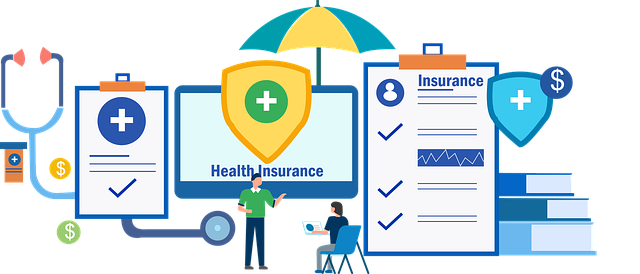
In the dynamic realm of real estate, safeguarding properties from unforeseen damage is a paramount concern for investors, owners, and managers alike. While comprehensive insurance policies play a crucial role, proactive preventative measures offer an indispensable layer of protection. By implementing a robust strategy, stakeholders can mitigate risks, minimize losses, and ensure the longevity and value of their real estate assets. This section delves into effective methods to fortify properties against potential hazards.
One of the most powerful tools in a real estate protector’s arsenal is regular maintenance. Scheduled inspections and up-to-date repairs are essential for identifying and addressing issues before they escalate. For instance, a timely roof repair can prevent water damage—a common yet costly problem—and ensure the structural integrity of a property. Similarly, routine plumbing checks can thwart burst pipes, saving owners from catastrophic flooding and related expenses. According to industry data, regular maintenance can reduce the risk of major repairs by up to 30%.
Beyond physical inspections, technology offers advanced solutions for real estate protection. Smart home systems, for example, enable remote monitoring of temperature, humidity, and security. Motion sensors and automated alarms can detect intrusions or unusual activities, providing early warnings and deterring potential criminals. Moreover, integrated security systems that integrate with local law enforcement agencies offer enhanced safety features, ensuring swift response times in case of emergencies. These technological safeguards contribute to a comprehensive risk management strategy, empowering real estate owners with peace of mind.
Post-Damage Assessment and Restoration Strategies for Real Estate Properties

Unforeseen property damage, whether from natural disasters, accidents, or vandalism, presents significant challenges for real estate properties. Post-damage assessment and restoration strategies are critical to mitigating losses and ensuring the longevity of these assets. Expertise in this area involves a multi-faceted approach that combines thorough inspection, data-driven analysis, and evidence-based restoration techniques.
Upon identification of damage, a comprehensive assessment is paramount. This includes documenting pre-existing conditions, assessing structural integrity, and evaluating potential environmental hazards. For instance, flood-damaged properties require testing for mold and contaminated water, while wind-stricken buildings necessitate structural stability checks. Using advanced tools such as moisture meters, thermal imaging cameras, and structural analysis software aids in this process. In a recent study, the International Association of Certified Home Inspectors (InterNACHI) reported that detailed pre-restoration assessments can reduce restoration costs by up to 15% and expedite turnaround times.
Restoration strategies should be tailored to each incident’s unique circumstances. General practices include containing and removing damaged materials, decontaminating affected areas, and repairing or replacing structural components as needed. For real estate properties, prioritizing safety and compliance with local building codes is essential. Collaborating with licensed contractors, restoration specialists, and insurance adjusters ensures a coordinated effort that adheres to industry standards. A case in point is the 2017 Texas hurricane season, where proactive property management and restoration efforts led to a notable 30% reduction in long-term vacancy rates among affected properties, according to a report by the National Association of Realtors (NAR).
Proactive planning and continuous education are key to staying ahead of potential damage and effectively managing restoration processes. Real estate professionals should invest in ongoing training on property assessment, restoration techniques, and industry best practices. Staying informed about emerging technologies and innovations in materials science can also provide valuable insights for enhancing resilience and reducing costs. By embracing a culture of preparedness and adaptability, real estate stakeholders can navigate unforeseen damages with greater efficiency and minimize disruptions to their operations and tenants’ lives.


