
Real Estate risk assessment is vital for protecting investments, tenant relationships, and property value. Key strategies include thorough inspections (structural, environmental, mechanical/electrical), advanced technology (smart home systems), regular maintenance schedules, and proactive hazard mitigation tailored to location, age, condition, and climate. Post-incident response involves documentation, engineering analysis, and swift action within 24-48 hours to minimize secondary damage. Learning from incidents improves risk management and property resilience.
In the dynamic landscape of real estate, unforeseen property damage poses a significant challenge for investors and homeowners alike. The financial and emotional impact of such damages can be profound, underscoring the need for robust safeguards. While traditional insurance policies offer some protection, they often fall short in terms of comprehensive coverage and swift resolution. This article delves into innovative strategies designed to mitigate these risks, providing a practical guide for navigating the complexities of real estate property damage prevention. By exploring advanced technologies, proactive maintenance protocols, and data-driven risk assessment, we aim to equip readers with authoritative knowledge to safeguard their investments.
Assessing Risks for Unforeseen Property Damage in Real Estate

In real estate, unforeseen property damage can significantly impact investment returns and tenant relationships. Effective risk assessment is a cornerstone of successful real estate management, enabling proactive measures to mitigate potential losses. This involves a multifaceted approach that combines thorough analysis, historical data, and expert insights. By evaluating factors such as location-specific hazards, age and condition of the property, and local climate patterns, investors can anticipate vulnerabilities and implement tailored safeguards.
For instance, properties in seismic zones or flood-prone areas necessitate enhanced structural reinforcement and flood protection measures, respectively. Similarly, older buildings may require more frequent maintenance and upgrades to address deterioration and unforeseen mechanical failures. Recent data from the National Bureau of Economics shows that proactive investment in hazard mitigation can reduce post-disaster repair costs by up to 40%. This underscores the importance of a comprehensive risk assessment process.
Real estate professionals should engage specialized inspectors and consult with risk management experts to conduct detailed property condition assessments. These evaluations should include structural integrity checks, environmental assessments for contamination or pollution, and thorough inspections of mechanical systems and electrical installations. Regular updates to these assessments are crucial, as property conditions can change over time, introducing new risks. Implementing a robust risk assessment framework not only safeguards investments but also fosters tenant trust and long-term property value retention.
Implementing Proactive Safeguards: A Comprehensive Guide

In the realm of real estate, unforeseen property damage can significantly impact investments and disrupt lives. To mitigate these risks effectively, proactive safeguards must be implemented. This involves a multifaceted approach that combines thorough inspection, advanced technology, and robust maintenance routines. For instance, regular structural assessments by certified professionals can identify potential issues early on, preventing minor problems from escalating into costly repairs.
Moreover, leveraging modern technology offers substantial advantages. Smart home systems equipped with sensors can monitor environmental conditions, detect leaks, and even predict potential hazards. According to a study by the National Association of Realtors, homes equipped with smart technology sold for 3-5% more than comparable properties, demonstrating the growing value of such investments in real estate. Regular updates and maintenance of these systems are crucial to ensure their effectiveness.
Another vital safeguard is establishing comprehensive maintenance schedules. This includes routine inspections of electrical systems, plumbing, roofing, and other critical components. For example, regular checks on roofing can prevent water damage, which accounts for a significant portion of property losses worldwide. By implementing these proactive measures, real estate owners not only protect their investments but also contribute to the long-term preservation and value of their properties.
Post-Incident Response: Mitigating Losses and Learning from Damages
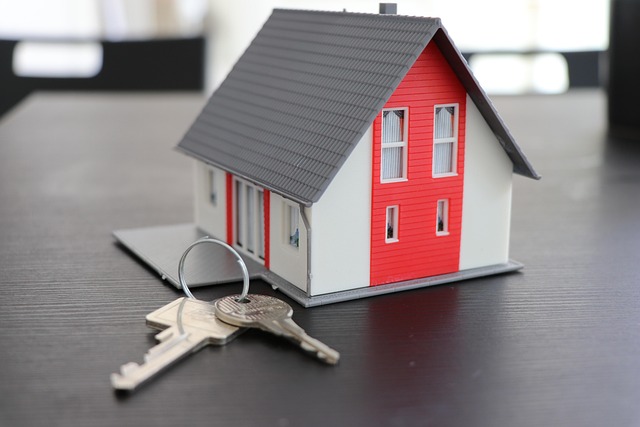
Unforeseen property damage, whether from natural disasters or accidental incidents, can significantly impact real estate assets. A robust post-incident response strategy is critical to mitigating losses and ensuring a swift recovery. This period is not merely about repairing physical structures but also involves meticulous documentation, assessment, and learning to prevent future occurrences. It is a crucial phase in the lifecycle of any property, offering insights that can enhance overall asset management in real estate.
Upon experiencing damage, immediate actions include securing the site, ensuring tenant safety, and documenting evidence for insurance claims. Engaging professionals like structural engineers and specialists in restoration is essential for accurate assessments. These experts provide valuable insights into the root causes of the damage, enabling informed decisions on repairs and renovations. For instance, data from recent studies shows that prompt action within 24-48 hours after a water leak can significantly reduce secondary damages, saving property owners substantial costs.
The post-incident phase is also an opportunity for real estate investors and managers to review their risk management strategies. Conducting thorough inspections, updating insurance policies, and implementing preventive measures can help mitigate future risks. Learning from each incident involves analyzing the specific circumstances that led to the damage and adapting response plans accordingly. This proactive approach ensures that properties are better prepared to face potential challenges, thereby minimizing losses and enhancing overall resilience in the real estate sector.